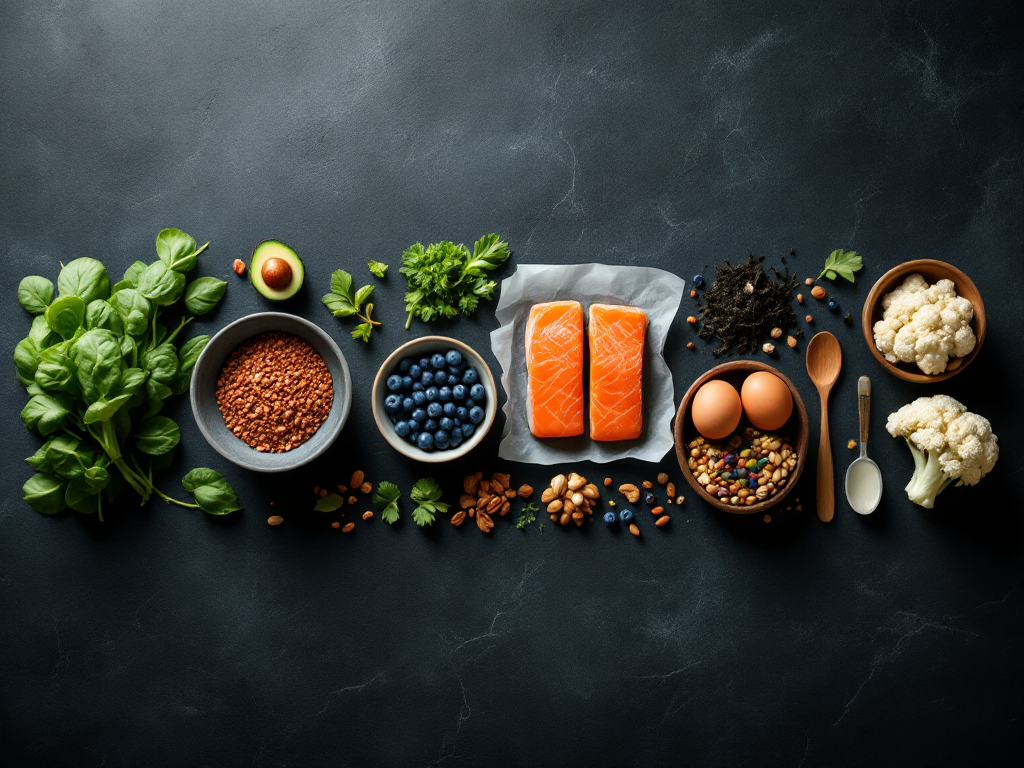
More protein, longer life? Science says: it depends.
Protein is everywhere right now. In bars, puddings, chips and in every other dietary recommendation. Yet the vast majority of the population already consumes more protein than recommended. A new review that evaluated around 350 studies calls this very trend into question — without proving the opposite. What this means in practice is more complicated than any headline suggests.
The provocative thesis
Knopf and Lamming from the University of Wisconsin-Madison published a review in Cell Press Blue in 2026 that makes for uncomfortable reading — at least for anyone currently recommending more protein to their clients.
The core argument: in animals, protein restriction extends both healthspan and lifespan. The hormone FGF21 is considered the central mediator. In these models, lower protein intake improves metabolism, alters cellular nutrient sensing, reduces cellular damage, and supports healthy cell function.
But — and this is the critical point — not all protein acts the same way.
The restriction of specific amino acids, particularly methionine, isoleucine, and the branched-chain amino acids (leucine, isoleucine, valine), accounts for much of these effects. It is therefore less about total quantity than about composition. Anyone who overlooks this draws the wrong conclusions from the review.
The apparent contradiction
At the same time, the evidence base for higher protein intake in older age is anything but weak.
Sarcopenia, the age-related loss of muscle mass, is a real clinical problem. Studies show that 1.2 g of protein per kilogram of body weight, compared to 0.8 g, can reduce muscle loss over three years by 40 percent. An analysis of the UK Biobank found a lower frailty risk with higher protein intake in older age.
Two recommendations that appear to contradict each other:
- Eat more protein for muscle preservation and frailty prevention.
- Eat less protein for metabolism, cellular health, and longevity.
Anyone looking for a simple answer here will not find one. That is not a weakness of science. It is an invitation to differentiate.
How this resolves
The review resolves the contradiction itself, in three places.
The source matters. Plant-based, not animal-based, protein is associated with reduced frailty risk. A Mediterranean-style, lower-protein diet was associated in studies with greater muscle mass and strength — not less. The amino acid profile of the source changes which signaling pathways are engaged.
Exercise changes the equation. Resistance training can largely compensate for muscle loss at lower protein intakes. Athletes often consume large amounts of protein without developing metabolic disease. Lamming suspects that regular physical activity protects against the negative effects of high protein intake and thereby considerably expands the scope for individual recommendations.
There is no blanket answer. Pregnant women, growing children, people in recovery, older adults at risk of sarcopenia but they often need more. Sedentary middle-aged adults with adequate protein intake may not benefit from protein-enriched products at all. The market suggests otherwise.
What the review is not
It is important to be clear here.
The review is not evidence that low protein intake makes people live longer. Almost all lifespan data come from animal models. The population of Okinawa, with its traditionally lower-protein diet, is considered an interesting pointer — not proof. And studies exist that show a positive effect of higher protein intake on longevity-relevant markers.
Lamming himself draws the decisive conclusion: protein recommendations must be individually tailored. Not only by age, but also by physical activity, metabolism, and context.
That is not a new idea. But it is one that is being systematically ignored in the current protein hype.
Where we are going with this at SLOW
This is precisely where the core of the SLOW approach lies: holistic and precise.
Precise means: there is no single protein recommendation for everyone. The right amount depends on age, training status, muscle mass, kidney function, metabolic condition, and individual goals. More protein combined with resistance training in older age is clearly effective against sarcopenia — this does not contradict the protein restriction data. They are two ends of the same personalized answer.
Holistic means: protein never acts in isolation. Quantity, source, amino acid profile, movement behavior, mTOR and FGF21 signaling pathways, kidney and metabolic status — these must be considered together. Anyone who only pulls the protein lever shifts multiple systems at once, without seeing where they are heading.
On the SLOW platform, health professionals translate exactly these layers of data into a recommendation that fits the individual. Not the trend. The biomarkers are available, the relationships are documented, the protocols are evidence-based. From data to results.
How do you individualize protein recommendations in practice — and which markers do you draw on beyond age and training status? Write it in the comments.